

Slovenia: A Boutique Destination with a World-Class Health System
Slovenia is widely recognized as a bridge between the Balkans and Western Europe, not only geographically but also in medical standards. The Slovenian healthcare system consistently ranks highly in the Euro Health Consumer Index (EHCI), comparable to those ofestablished Western European systems. It is characterized by high accessibility, state-funded universal coverage, and a strong emphasis on excellence in tertiary care. The system is centralized around key university hubs, enabling the concentration of expertise and advanced technology within flagship institutions.
University Medical Centre Ljubljana (UKC Ljubljana). With over 2,100 beds and 8,000 employees, it is one of the largest and most comprehensive hospital centers in Central Europe. It serves as the primary teaching hospital for the Faculty of Medicine at the University of Ljubljana, driving clinical innovation and research across the region.

Department of Otorhinolaryngology and Cervicofacial Surgery at UMC Ljubljana has evolved into a premier referral center for complex pathologies in the region. Under the leadership of distinguished professors, the department has pioneered multidisciplinary approaches that are actively published and cited in international literature.
Established over a century ago, the Department of Otorhinolaryngology and Cervicofacial Surgery combines deep historical roots with cutting-edge medical science. With a history spanning back to 1912 and an 80-year tenure as a renowned clinical and research hub, we continue to bridge the gap between tradition and innovation.
Audiology & Vestibular Medicine: The department has taken a leading role in modernizing diagnostic algorithms for hearing and balance disorders, particularly in pediatric patients. Recent impactful research has focused on early genetic diagnostics for sensorineural hearing loss and refining the evaluation of pediatric vestibular disorders. The team has successfully defined clinical indicators that differentiate peripheral from central causes of vertigo in children, significantly optimizing the multidisciplinary workflow between ENT specialists and neurologists.
Otology & Neurotology: Ljubljana has a long-standing tradition in cochlear implantation and has recently expanded into advanced middle ear implants (e.g., Bonebridge) and auditory brainstem implants (ABI). The department is also a regional reference point for the management of complex temporal bone pathologies.
Head and Neck Oncology (Early Detection & Imaging): The department has been a regional pioneer in implementing Narrow Band Imaging (NBI) as a standard of care for the early detection of head and neck malignancies. By integrating NBI with high-definition endoscopy, the team has significantly improved the differentiation between benign and malignant mucosal lesions, particularly in the larynx and pharynx. This bio-endoscopic approach facilitates the precise identification of early carcinoma and vascular changes in previously irradiated patients, minimizing the need for invasive biopsies.
Phoniatrics: The Centre for Voice, Speech, and Swallowing Disorders remains a distinct and vital part of the department. The unit actively contributes to European guidelines on voice diagnostics and the rehabilitation of swallowing disorders, maintaining strong ties with the Union of European Phoniatricians (UEP).
Rhinology & Skull Base Surgery: The department has established itself as a leader in endoscopic sinus and skull base surgery. A key recent milestone is the formalization of the Multidisciplinary Skull Base Board, which integrates otorhinolaryngologists, neurosurgeons, and radiologists to manage complex anterior skull base tumors and non-tumor diseases. This collaborative model has been documented as a gold standard for the region.
Pediatric ENT: The department also leads the development of national guidelines for congenital abnormalities, such as choanal atresia, and publishes comprehensive reviews and recommendations that standardize care nationwide.
Salivary Gland Pathology: The department has modernized the management of salivary gland disorders by integrating advanced diagnostics with minimally invasive surgery. The department has become a reference point for the treatment of obstructive salivary diseases and neoplasms. Their work emphasizes the use of sialendoscopy and multimodal imaging to preserve gland function, as well as refining surgical approaches for parotid tumors to minimize morbidity.
 | 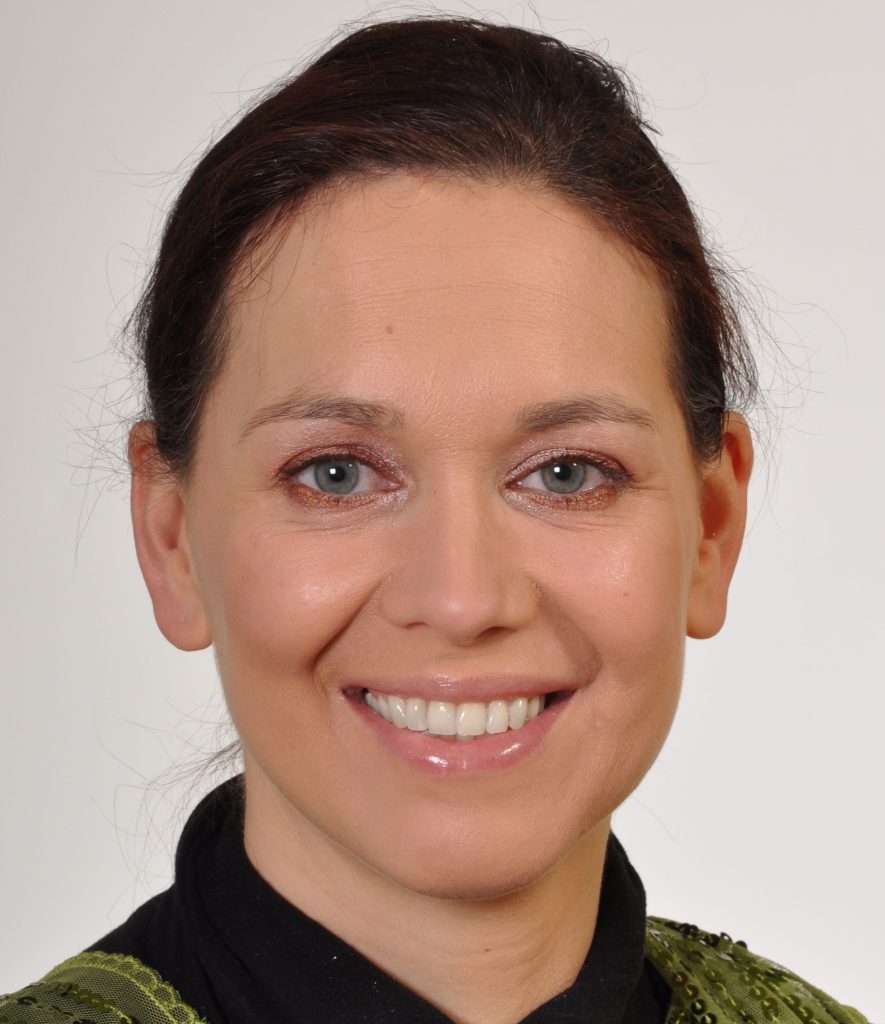 |
| Assist. Prof. dr. Jure Urbančič, MD, PhD. President of the Organising Committee Head of the Division of Otorhinolaryngology and Cervicofacial Surgery | Polona Travnikar Pouh, dipl. m.s., univ. dipl.org Head of Nursing at the Division of Otorhinolaryngology and Cervicofacial Surgery |

Prof. Saba Battelino, MD, PhD
Head of Otosurgery and Audovestibulology

Assist. Prof. Nina Božanić Urbančič, MD, PhD
Head of Pediatric department

Assist. Prof. Maja Šereg Bahar, MD, PhD
Head of Centre for voice, speech and swallowing

Assoc. Prof. Aleksandar Aničin, MD, PhD
Head of Head and Neck Surgery

Assoc. Prof. Robert Šifrer, MD, PhD
Co-President of the Organising Committee